Image Description: Measuring spoons logo. Spoon, grabber, and knife, above uppercase text on two lines. Eggplant color on lavender.
Our dream for this project is to bring nourishment and a new found excitement around food within the disability community. We have all become so disconnected from the food we make and eat under capitalism. It’s critical that we, as disabled people, are reminded that food can and should be made accessible.
Cooking can be a form of self-care, not just something we dread; and we want to share tips, our own and tips from other disabled people, that will help make that possible. We are excited to share all of this for free, via this fully accessible website.
Whether we see you in person at our next cooking demo, via Zoom for a virtual event, or just manage to help you find a way to get back in the kitchen via our open-captioned videos or written content; we wish you happy cooking!
Thanks to all who have been serious cheerleaders for this project from its inception: Soleil Ho, Alice Wong, Rachel Stewart, Emily Beitiks and the SF Disability Cultural Center.
What are we rooted in?
Our work and personal life are driven by the principles of disability justice; the radical understanding of unlearning ableism. We value all our intersecting identities and work to practice what we preach. This project is a love letter to the wider disability community. We want to remind people that there is joy in food. Through our radical understanding of accessing food, we are also giving people permission to explore cooking for themselves.
We have heard from our community that people are hungry for cooking content that embraces intersectionality while exploring the kitchen. As a collective, we are committed to cross disability solidarity and want to be accessible to as many people as possible. We view Measuring Spoons as a vessel; holding unending combinations of food and our bodyminds.
About Us
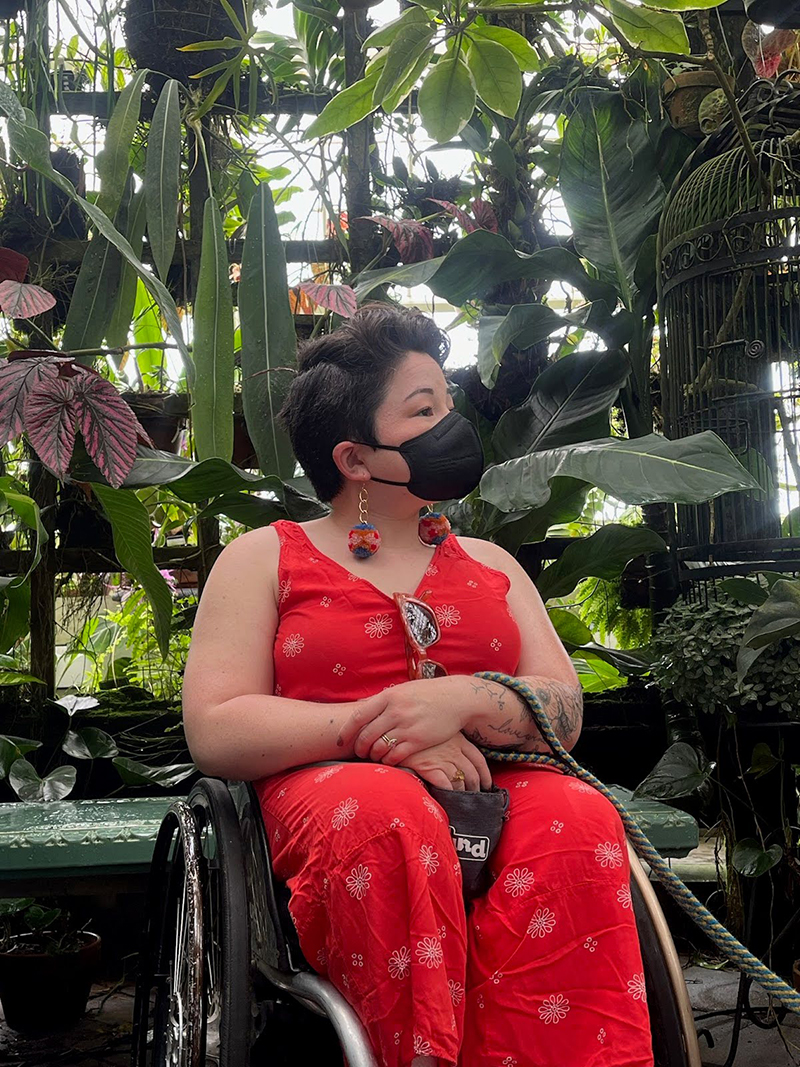
Rosemary McDonnell-Horita (she/her) is a disabled Japanese-American woman living in Berkeley, California. Originally a southern California beach babe, Rosemary has lived in Colorado, Washington D.C. but will always remain biased to the west coast. Her father is a 30+ year sushi chef in San Diego. Some of her earliest food memories are sitting on the kitchen counter in my family’s kitchen folding gyoza and eating onigiri on every road trip. Growing up in the restaurant world has absolutely informed the way she experiences and loves food. Second only to food, Rosemary’s passion is supporting, advocating, and fiercely fighting for disability justice. As an alumni of the CA Youth Leadership Forum, Rosemary ran Colorado’s inaugural Youth Leadership Forum for students with disabilities in 2018. She later led the Impact Campaign for the Oscar-nominated documentary Crip Camp in 2020, Fire Through Dry Grass in 2023 and Emmy Award Winning documentary Patrice: The Movie in 2024. She currently runs her own business as an independent consultant and is working on writing a cookbook for disabled people titled “Measuring Spoons”. In her “free time” she is gardening, painting or cooking.
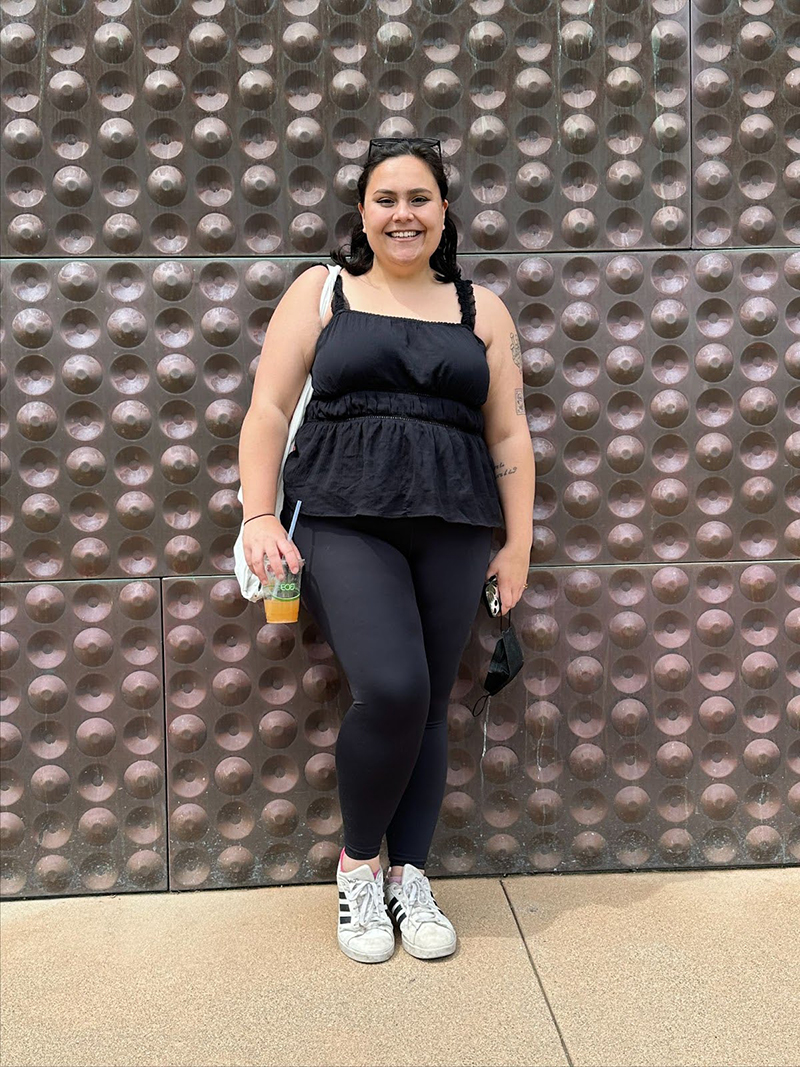
Anna Foster (she/her) is a Korean American trans-racial adoptee originally from Portland, Maine; now living in the East Bay of California. Her love of food and cooking started at an early age. In 2025, Anna quit her corporate job to pursue her love of baking. She now works as a baker at Bake Sum, “a modern bakery with Asian American influenced viennoiserie, cakes, and pastries,” in Oakland and Alameda, California. In her free time, she works on research and development for new recipes for a variety of projects; but when she’s not cooking or baking, she’s collecting sea glass and other trinkets, spending time in the garden, or crafting a new project.
Spoon Theory
What is Spoon Theory?
Spoon theory was created by Christine Miserandino in 2003. The concept of spoon theory originated from Miserandino’s attempt to explain to her non-disabled friend what it’s like to live with a disability that leaves you with limited energy. (Credit: Hidden Disabilities)
In her essay, she explains that everyone has a certain number of spoons a day. These spoons represent energy to do things like go to work, take a shower, or cook a meal.
For a non-disabled person, spoons may be more easily accessible, doing all of the things that need to be done is no problem! But for many disabled folks; spoon math, the calculation of what needs to be done vs. how much energy one has, is a daily task.
How do spoons apply to our recipes?
In order to define spoons for this project, we intend on creating profiles of different disabled individuals, their access needs in the kitchen, and how many spoons it took them to complete a recipe. Generally speaking, we consider how many dirty dishes are created, the amount of steps a recipe takes, and the amount of movement throughout a kitchen. But we know that every bodymind is different and quantifying spoons depends on every single person.
For the purposes of our recipes, we define spoons as:
- 1 Spoon: I have no energy to even think about food, let alone cooking. Give yourself grace. Ask a friend to bring you food or order delivery if you can. Try again tomorrow.
- 2 Spoons: If I can make it to the microwave, that’s a win.
- 3 Spoons: Some light chopping/prep, maybe a one pot dish in a skillet, crock pot, instapot or air fryer.
- 4 Spoons: Trying a new recipe for the first time and may create multiple dirty dishes.
- 5 Spoons: We’re batch cooking enough food for a week and freezing portions for future 1 spoon days!
Image Description: Scattered spoon, grabber, and knife pattern. Eggplant color shapes on a sage green background.